
What kind of jobs are companies hiring for within climate?
The climate professional of the future might need four diverse superpowers: understand sustainability, speak the language of business, work with technology, and turn ideas into action.
And no, this doesn’t mean you need to become a climate superhero with a sustainability degree, a coding boot camp certificate, and a business suit ready for every meeting.
Historically, climate work has always seemed like a field meant for specialists- the lab coats or the anthropologists roaming distant countries.
Even the modern version asks you to imagine yourself becoming an ESG consultant, an environmental scientist, or someone working in renewable energy.
But given the scale of climate crisis, its wide ranging impact and how organizations need everyone to chip in their bit. Companies are now looking for people who can connect different worlds and turn climate goals into real outcomes. As Project Drawdown says- “Every job is a climate job.”

Which leads to a much more interesting question: What skill can I combine with climate knowledge to create more impact in my daily life?
Let’s look at the kinds of climate jobs companies are actually hiring for in 2026, and where the biggest opportunities are starting to appear.
#1: Building climate knowledge into the career you already have
Here’s the surprising part: many climate jobs don’t look like climate jobs anymore.
The person helping a company reduce emissions might not be sitting in the sustainability team. They could be working in procurement, operations, finance, or technology with a completely different title on their profile.
According to LinkedIn’s latest Green Skills Report, 51% of professionals hired for jobs requiring green skills were hired into roles that don’t even have the word sustainability/green in the job title.
Which means if you only search “sustainability jobs”, you might be walking past half the opportunities without even realizing it.
The biggest change is that companies are no longer hiring only people who can prepare sustainability reports or calculate emissions. They are hiring people who can bring climate thinking into everyday business decisions.
You can even see this reflected in the questions people are asking about their own careers.
One person exploring a move into the climate field shared:
“I’m looking to pivot from tech into either climate tech or a fully environmental position. Ideally I’d go get a masters in Environmental Studies and then reenter the workforce.”
What stands out isn’t the question itself, but where they were starting from: technology.
Because technology is already becoming one of the foundations of climate work, from emissions tracking platforms to AI-powered climate solutions.
So, if companies need people who understand both climate and their existing field, what separates an average climate professional from someone who can actually drive change?
The skill companies didn’t know they needed
Imagine you walk into a meeting where everyone agrees that climate matters. Sounds easy, right?
Except each team sees the challenge differently. Finance is thinking about risks, operations is thinking about costs, and sustainability is thinking about emissions targets.
Everyone cares about the same problem, but they are speaking different languages.
Take Scope 3 emissions as an example. To a sustainability professional, it might be an emissions measurement challenge. But to a product team, it could mean rethinking how something is designed, sourced, or manufactured.
The people who can connect these perspectives are becoming increasingly valuable.
That’s why roles like climate strategy consultants, ESG managers, sustainability program leads, and transition planning specialists spend as much time working across teams as they do talking about carbon.
And this isn’t just a climate trend. The World Economic Forum’s Future of jobs report found that nearly 40% of today’s core job skills are expected to change by 2030, with employers placing more importance on skills like communication, collaboration, analytical thinking, and adaptability.
Because solving climate challenges isn’t only about having the right answers. You need to help more people understand why those answers matter too.
And that brings us to another skill area becoming impossible to ignore: data and technology.
#2: Knowing how to work with technology (and why AI is changing climate careers)
A company can announce a big climate goal in one afternoon. Let’s reduce emissions, become net zero, or build a sustainable supply chain.
But the next morning, someone still has to answer the difficult questions:
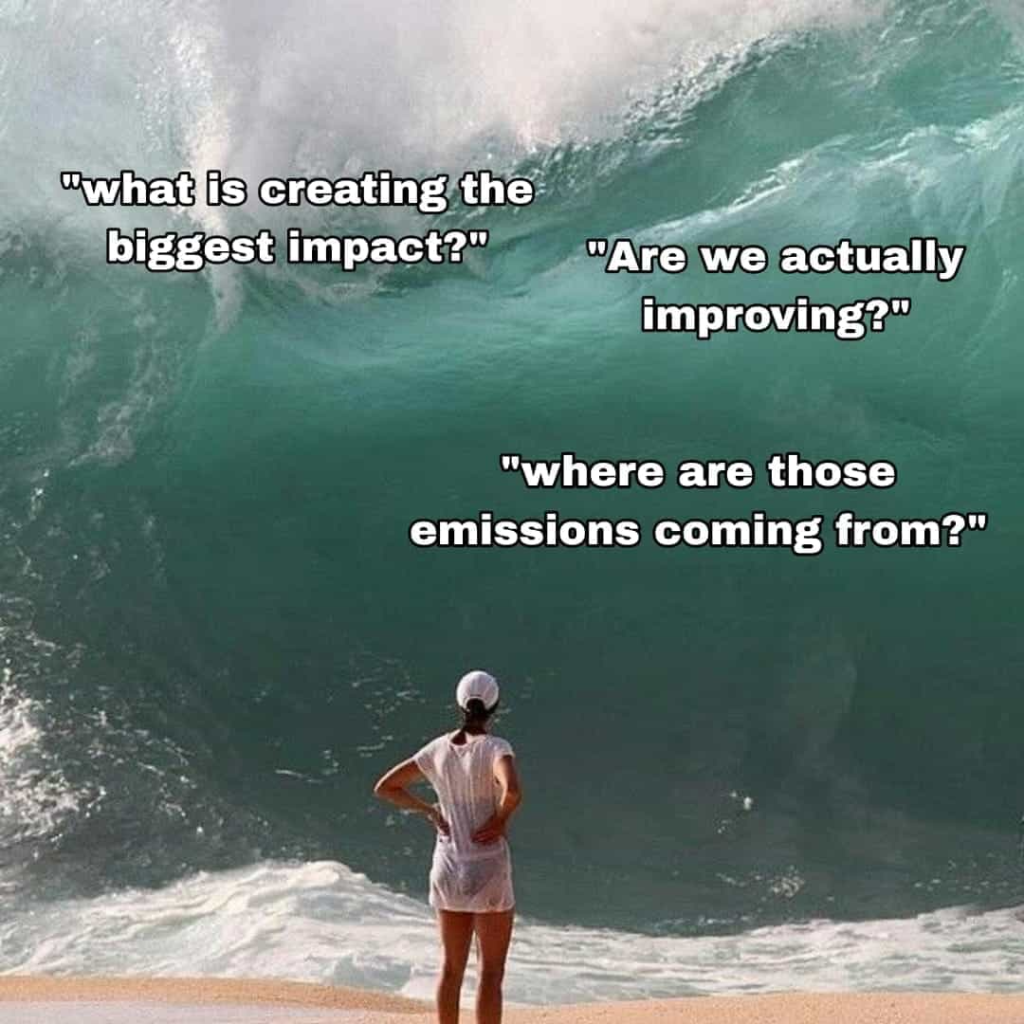
Climate work is getting a technology upgrade. The person tracking emissions today might not be buried under spreadsheets like they were a few years ago. They might be working with tools that can spot patterns, flag risks, and help teams make decisions faster.
The World Economic Forum’s Future of Jobs Report reflects the same shift, with analytical thinking, AI, and technology skills among the fastest-growing capabilities employers are looking for.
And no, this doesn’t mean every climate professional needs to become the next AI engineer.
It means the ability to work with technology is becoming just as important as understanding the climate problem itself.
AI is creating a new category of climate professionals
At this point, it would be more surprising if AI wasn’t changing climate jobs.
The International Energy Agency’s Energy and AI report already highlights how AI is already being explored in areas such as improving energy efficiency, optimizing energy systems, and supporting renewable energy forecasting.
For climate professionals, this means new hybrid roles are emerging.
There are more opportunities from climate data analysts and AI-enabled carbon accounting specialists to sustainability professionals who know how to use technology to improve climate strategies.
The future of climate work is not about choosing between sustainability and technology. It is about knowing how both can work together.
Because even the smartest analysis and most advanced tools need someone who can turn them into real-world change.
#3: Climate needs people who can sell the transition
You can build the smartest climate solution in the world.
But if nobody understands why they need it, it’s just a solution sitting on a shelf.
Moving from innovation to adoption is becoming one of the biggest challenges in climate.
Companies are developing technologies that can reduce emissions, improve efficiency, and help them understand their environmental impact. But making those solutions part of everyday business requires people who can connect the climate problem with the business case.
Because, let’s be honest, companies evaluating a climate solution don’t only ask, “Is this good for the planet?”
They also want to know whether these efforts can help reduce costs, meet new regulations, and prepare their businesses for future risks.
And that ability to connect impact with business value is exactly what creating demand for a new category of climate professionals.
Roles like climate business development managers, sustainability partnerships specialists, climate-tech account executives, and growth professionals are becoming increasingly important because they help climate solutions reach the people who need them.
The interesting part is that these roles sit between two worlds. You do not need to be the person inventing the technology. But you do need to understand the problem well enough to explain why the solution matters.
The next wave of climate careers will be shaped by the people who help those solutions find their place in the market.
#4: The underrated skill climate needs most: execution
Here’s something interesting happening right now.
The PwC’s State of Decarbonization 2026 report found that 82% of companies maintained or accelerated their climate timelines, showing that many organizations are moving from ambition toward implementation.
That implementation gap is where project management becomes a climate skill.
Because reducing emissions is rarely a one-team project.
Someone needs to coordinate suppliers, track milestones, manage timelines, work across departments, and make sure climate goals don’t disappear into a spreadsheet nobody opens again.
This is creating demand for roles like sustainability project managers, decarbonization program managers, transition planning specialists, and climate implementation leads.
You don’t need to have started your career in sustainability to bring this skill into climate.
If you have managed products, operations, technology projects, or large teams, you already understand a big part of what climate implementation requires.
The next climate frontier isn’t just carbon
Climate work used to have one obvious main character: carbon.
But businesses are starting to realize something important that you cannot understand climate risk by looking only at emissions.
A company can reduce its carbon footprint and still face questions about the water it uses, the ecosystems it depends on, or the resources it needs to survive.
That is why nature is becoming the next big area of climate work.
The Taskforce on Nature-related Financial Disclosures (TNFD) has encouraged companies to look at how their operations affect and depend on nature, from biodiversity loss to ecosystem risks.
If you are entering climate work because you want to leave the world a little better than you found it, this is a space worth watching.
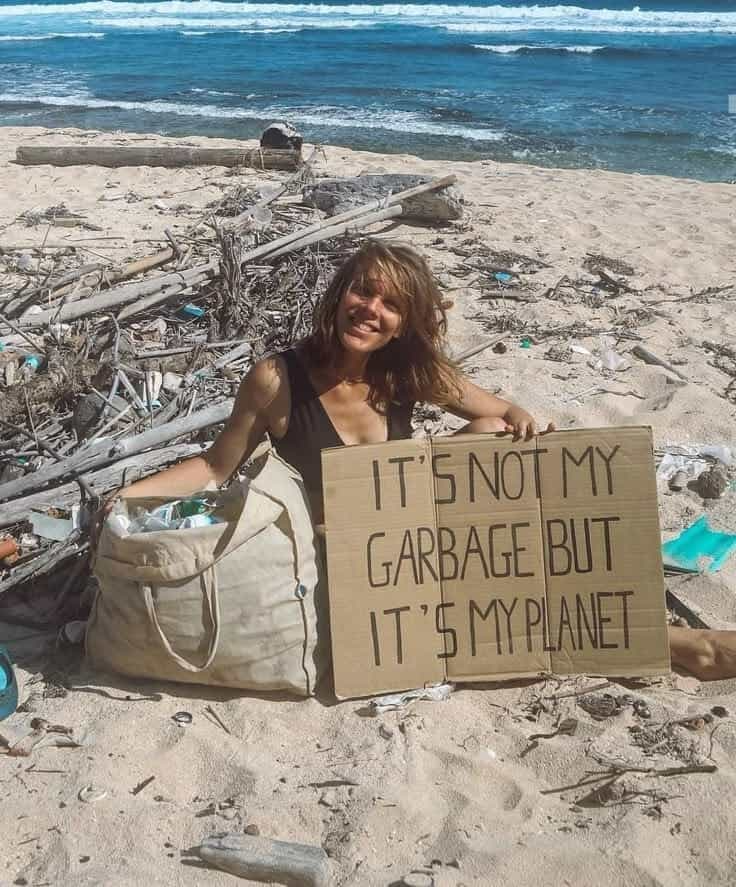
Beyond carbon accounting, there are opportunities in areas like nature risk, biodiversity, sustainable supply chains, ecosystem restoration, and natural capital.
The roles are still emerging: nature risk analysts, biodiversity specialists, environmental strategists, and sustainability professionals working on nature-related reporting.
And that is what makes this filed interesting. Some of the most valuable climate careers of the future may not exist as common job titles yet.
So where can I find these jobs?
The challenge for climate job seekers today isn’t just learning the right skills. It’s knowing where those skills are needed and finding opportunities that match them.
Because climate careers don’t always announce themselves with obvious titles.
That is why we built the climate-tech job board at Growth For Impact, a place to discover sustainability and climate roles across India, from climate startups to organizations working on real-world environmental solutions.
Whether you’re taking your first step into climate work or bringing your existing experience into this space, finding the right opportunity can help you turn your skills into meaningful impact.